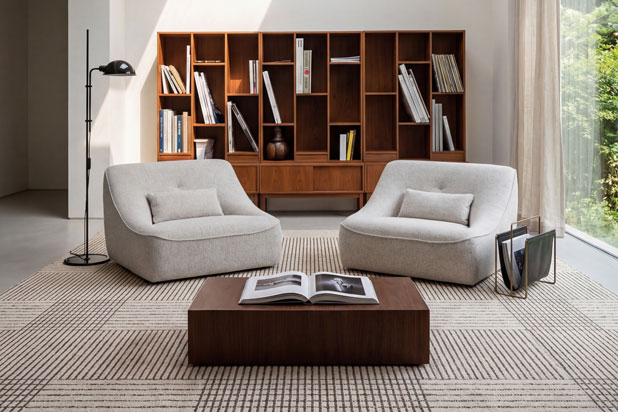
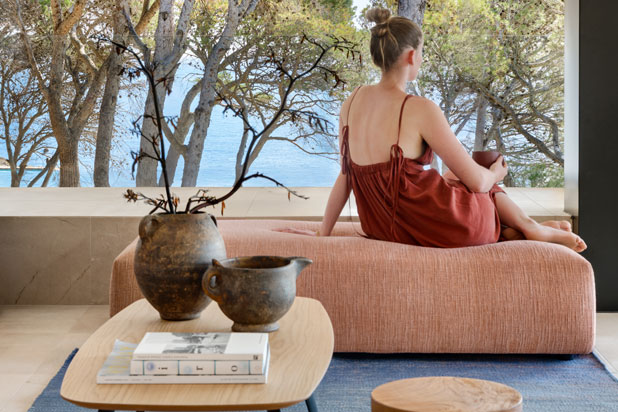
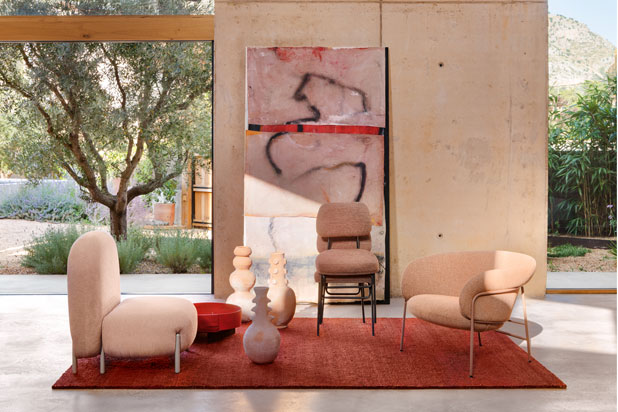
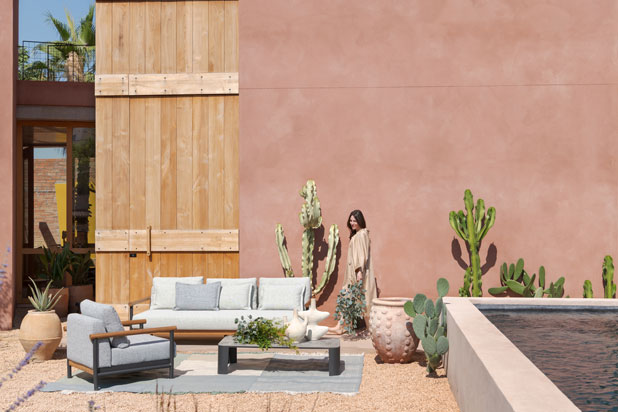
Crevin's story begins in 1976 in Terrassa, Barcelona, a city with a rich textile heritage that has shaped the company’s identity and its approach to design and manufacturing.
Over these 50 years, they have evolved from their industrial roots into a textile brand with a clear international outlook, specializing in high-quality fabrics for residential and professional spaces.
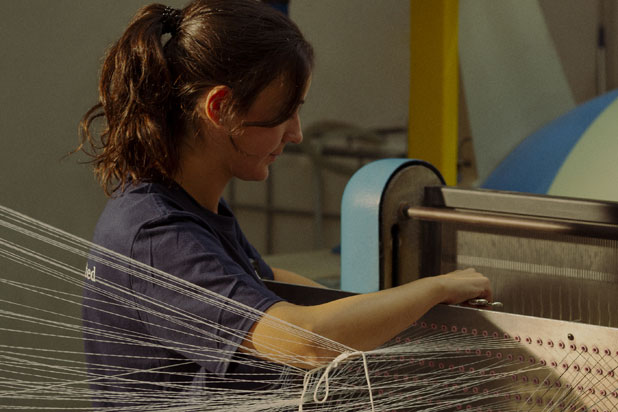
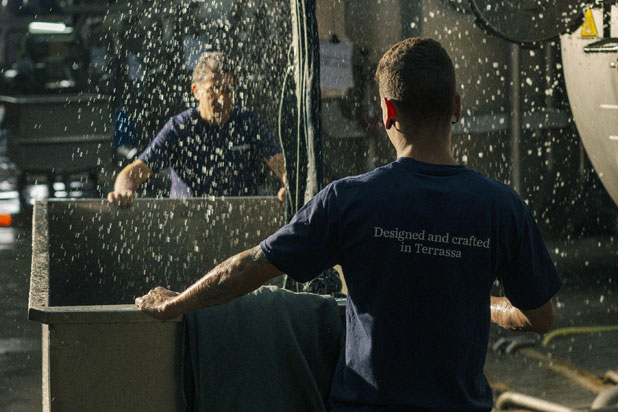
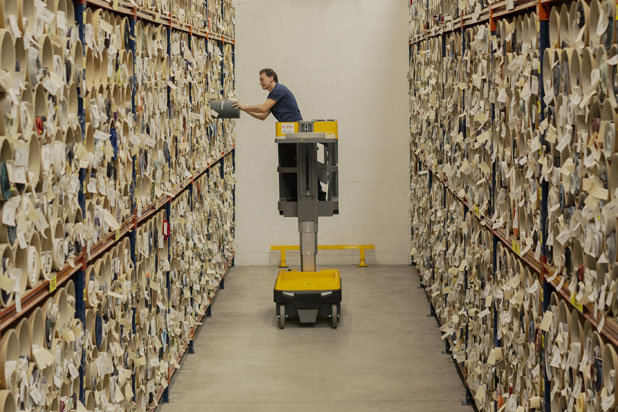
One of the defining elements of their journey has been their commitment to a vertically integrated production model, which allows them to bring together design, yarn development, weaving, dyeing, and finishing. This manufacturing capability, combined with the expertise built over five decades, has enabled them to develop a distinctive creative identity and continually advance their materials, structures, and processes.
Innovation and responsible manufacturing have also shaped their evolution, from the gradual incorporation of ecodesign criteria, recycled materials, and targeted management systems to improvements in process efficiency and use of resources.
Their greatest achievement has been evolving without losing what sets them apart: designing and manufacturing from Barcelona with a distinctive identity and an international outlook.
Designed to last
As company sources point out: “At Crevin, we believe a good fabric should go beyond aesthetics. It must offer beauty, comfort, and functionality, while also standing the test of time and meeting the demands of the spaces where it is used.”
Their philosophy comes down to one purpose: “Designed to last.” Its identity emerges from the intersection of design and industrial expertise. And it sees fabric as a creative material, capable of transforming the perception of a space through its texture, color, and feel. At the same time, their manufacturing expertise allows them to explore its possibilities and develop solutions that meet real needs.
Unique Fabrics
“What makes our fabrics unique is that we design them from the very beginning. Rather than starting with standard yarns available on the market, we develop our own to achieve the textures, colors, and structures we envision. This creative freedom, combined with our textile expertise and manufacturing capabilities, allows us to develop fabrics with a distinctive aesthetic identity.” Crevin explains.
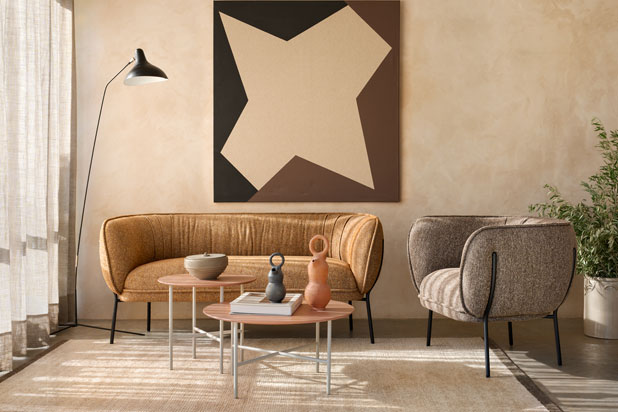
To which they add: “Color is another of our key differentiators. It is an essential part of our creative process, and we explore it in the same depth as the fabric’s texture and structure. Our Mediterranean inspiration, shaped by light and a wealth of subtle hues, translates into distinctive color palettes, carefully developed to bring depth, balance, and personality to each collection.”
They also bring design and sustainability together as part of a single process. From the moment they begin to envision a new fabric, they consider material selection, the use of recycled fibers, construction, durability, and the resources needed to manufacture it. This approach allows them to integrate ecodesign principles from the earliest stages of development, rather than incorporating them at the end of the process.
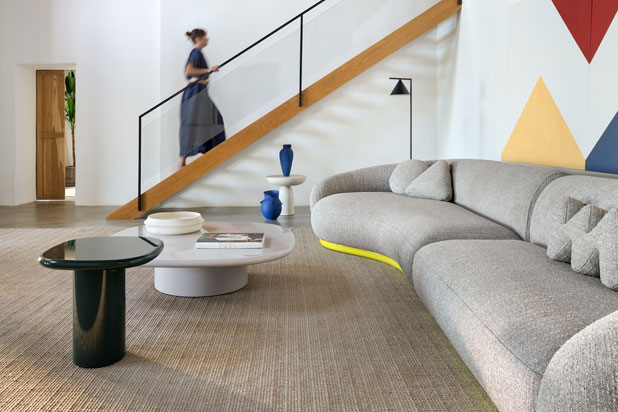
Their collections are also designed to meet the needs of both the residential market and the contract sector. In residential settings, they explore the richness of texture, color, and feel to create warm, comfortable spaces full of personality. For the contract market, they combine this aesthetic sensibility with the performance required by hotels, restaurants, offices, and public spaces, where strength, ease of maintenance, and durability are essential.
What sets them apart is their ability to bring together yarn design, a sensitivity to color, industrial expertise, and responsible manufacturing to create fabrics with a distinctive identity that bring character, comfort, and durability to spaces.
Key Collections
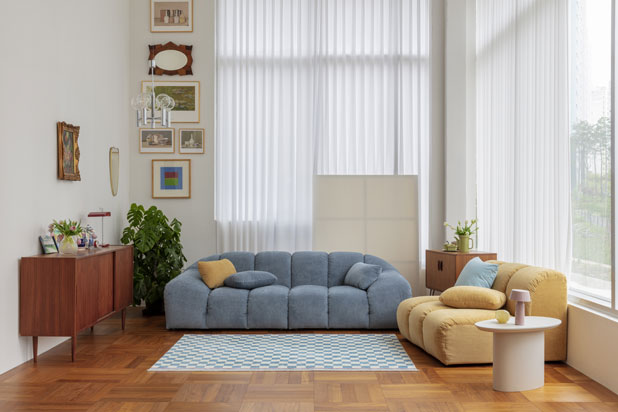
VELVETY stands out among their most established collections, combining versatility, design, and durability while continuing to evolve with a new color palette that responds to contemporary interior design trends.
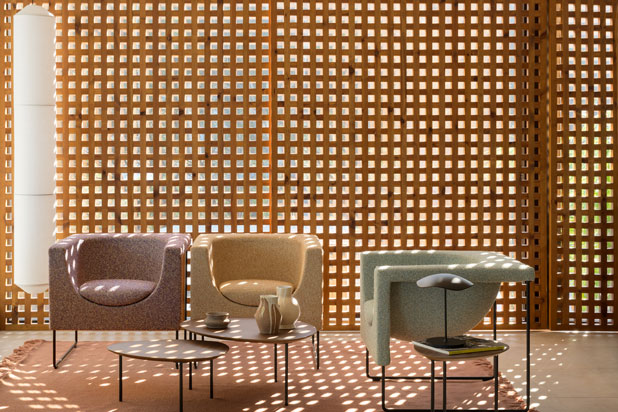
At the same time, they have developed collections with a more distinctive character, such as ICONA, PÍCAR, INDI, and BATEC, which reflect their more creative and experimental side. In these fabrics, they explore new structures, textures, and color combinations, seeking to bring personality and a distinctive aesthetic to spaces.
In 2026, marking their 50th anniversary, they introduced ARRELS. “Developed with 93% recycled yarn, this collection represents our way of bringing together tradition, innovation, and circularity in a contemporary design,” they tell us.
Marketing
Their international sales model brings together the sales team in Terrassa and a network of specialized agents and distributors with direct relationships with furniture manufacturers, architects, interior designers, and other specification professionals. This structure allows them to maintain a close presence in each market and understand its unique aesthetic, technical, and commercial characteristics, supporting professionals through every phase of the project.
Digitalization is another key area of their development. Their new corporate website, launched in 2026, enhances international access to their collections and technical and visual resources, making it easier to explore and select materials.
Internationalization
International expansion is one of the core pillars of their history and development as a company. They currently have a presence in more than 60 countries, with approximately 70% of their revenue coming from international markets.
Europe and Asia are their two major international markets, where an established network of agents, distributors, and partners enables them to work with furniture manufacturers and design and architecture professionals.
In Europe, they operate both in markets with a long tradition in design and interior design and in those where the contract sector is undergoing significant change. In Asia, countries such as Japan and South Korea are particularly important markets, thanks to their appreciation for quality, design, and textile innovation.
The United States is one of their key growth markets, offering strong potential for their collections, especially in the high-end residential and contract segments.
In this context, their fabrics are featured in residential and professional projects across a range of international markets. Highlights of their international experience include large-scale contract projects in markets such as Japan and the Nordic countries, where material quality, durability, and attention to detail play a particularly important role in architecture and interior design. These markets share an appreciation for timeless design and authentic materials that aligns naturally with Crevin’s philosophy.
In short, their international strategy focuses on strengthening their presence in existing markets and developing new opportunities in collaboration with manufacturers, architects, interior designers, and specifiers.