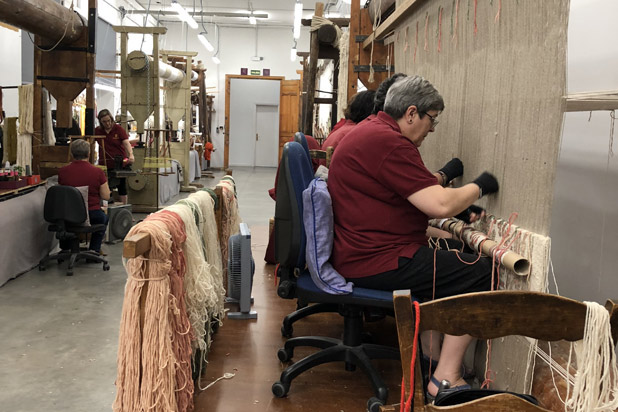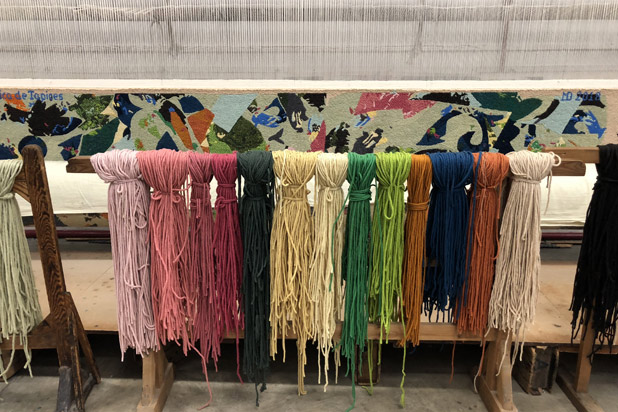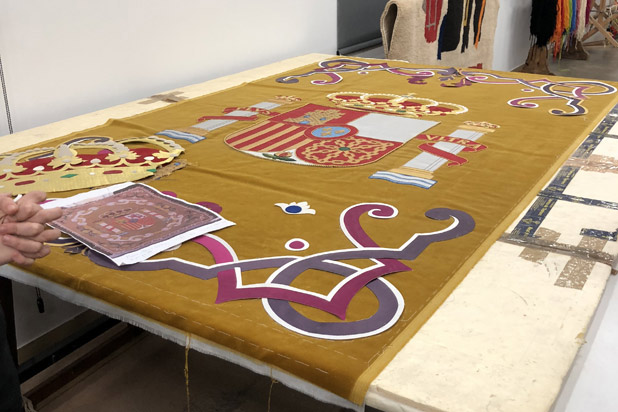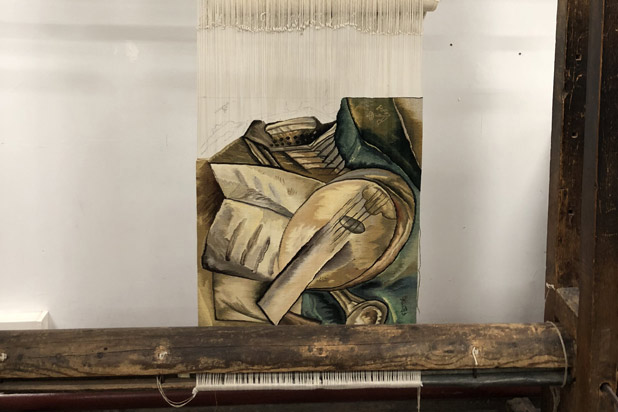

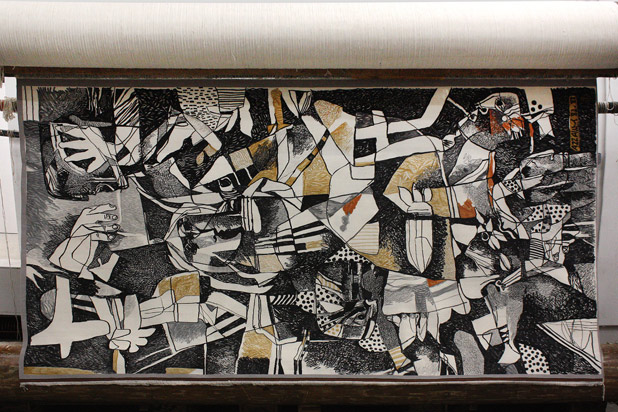
With more than 300 years of history, the Royal Tapestry Factory preserves this Spanish craft of weaving, which it combines with contemporary art and design, promoting products of the finest quality that are 100% sustainable. It has produced rugs, tapestries and coats of arms with designs by leading 20th-century artists such as Pablo Picasso, Salvador Dalí, Matisse, Juan Gris and Marc Chagall, and by renowned contemporary designers like Agatha Ruiz de la Prada.
Its most international work includes reconstructing the tapestries of Dresden’s Royal Palace – commissioned by the German government – a tapestry of the Sabra and Shatila Massacres, plus rug designs made with Japanese artist Keiko Mataki and Italian architect and interior designer Teresa Sapey. Spanish artists Manolo Valdés and Alberto Corazón have designed contemporary collections for hotel chain Paradores Nacionales.
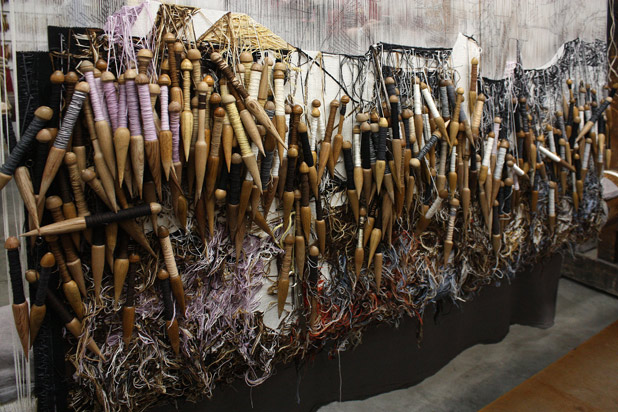
For its more traditional activities, Royal Tapestry Factory weavers use the time-honoured and very elaborate Spanish-knotting technique (asymmetrical) and a variant of the Turkish or symmetrical knot. The pattern on the rugs is enhanced by an outlining technique known as recorteado, which intensifies the volume of the figures, turning Royal Factory rugs into unique pieces of craftsmanship.
Textiles restoration is one of its more recent activities, which began in 2016. The aim is to preserve and fully restore a wide range of historical fabrics from civilian and military clothing to fabrics, liturgical robes and other pieces and accessories made from textiles.
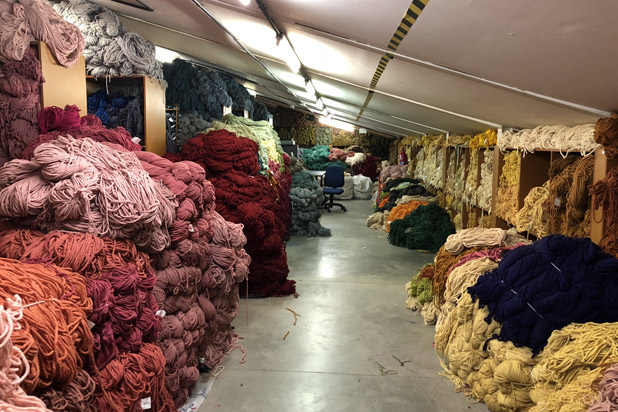
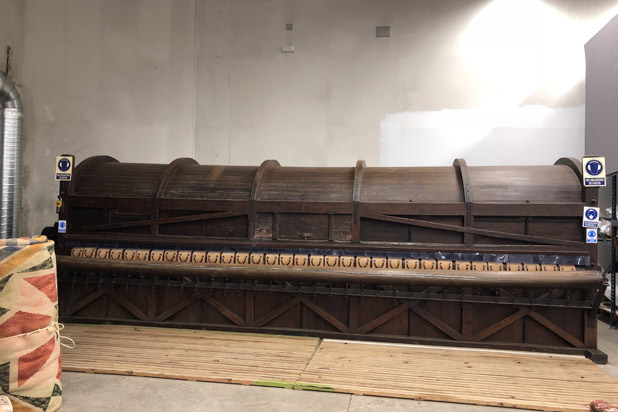
The Factory’s facilities include a fabric dyeing and washing area, a rug cleaning section with a dust remover that is the only own of its kind and dates from 1905, a laboratory, and a garden with a wide variety of dye plants. The Royal Tapestry Factory is open to the public who can visit its workrooms and historical tapestry gallery.