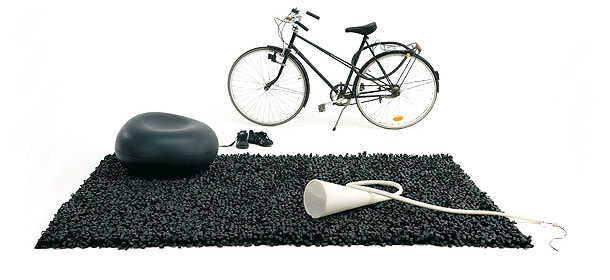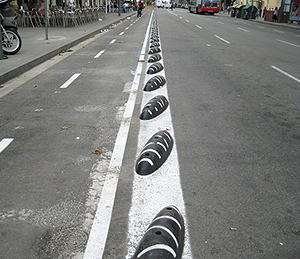

To start with, in the thoroughly quirky universe of rugs designed by Nani Marquina, there’s the uttery unique Bicicleta rug made from the recycled inner tubes of bicycle tyres, whose other main virtue is that it’s robust and durable.
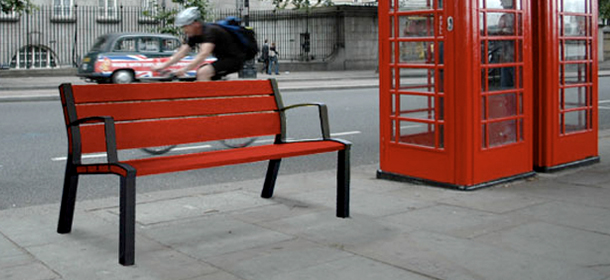
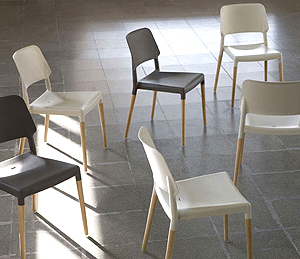
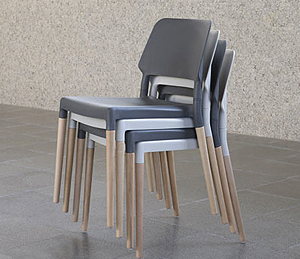
Santa & Cole is another shining example of a Spanish company which is highly committed to environmentalism. It even has a forestry division devoted to planting trees in cities. Most notable among its recent designs is a new sustainable version of its classic Neorromántico bench, designed by Miguel Milá (made of a mix of PVC, recycled fibres, polypropylene and fibreglass). And Santa & Cole, together with the design studio Lagranja, has developed the Belloch chair, made of a composite material combining recycled polypropylene and woodchip.
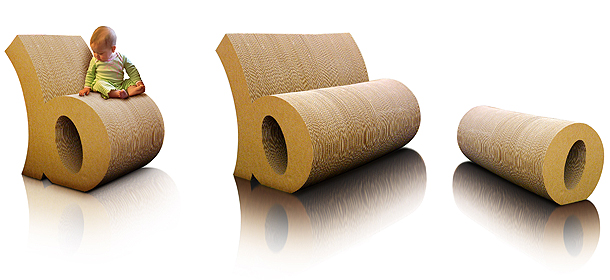
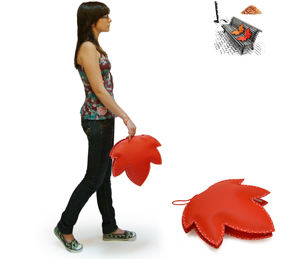
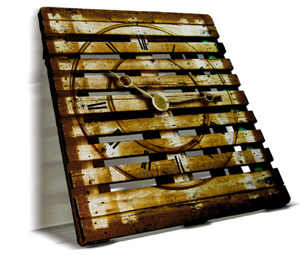
Sanserif, meanwhile, is a Valencia-based multidisciplinary design studio which has produced a good many sustainable designs, such as the Clock Palet, the Bold bench – made of 100 per cent biodegradable corrugated cardboard – and the Make It Sofa, a foldable, portable chair.
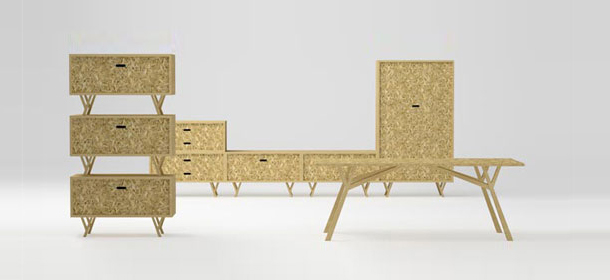
In fact, woodchip is often used in contemporary eco design. Take the Ninho collection, created by Herme Ciscar and Mónica García, which comprises a table and various containers in woodchip.
Then there’s Aitor García de Vicuña, responsible for the Itaida and Mimosa series for office equipment company Ofita. In all phases of their production, as well as in terms of how they are used and how easily they decompose, these cause minimum damage to the environment. The wood used comes from farmed, managed and eco-certified forests.
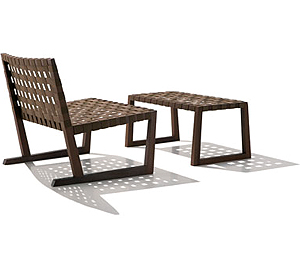
And leading chair manufacturer Andreu World recently launched its new outdoor furniture collection designed by Lievore, Altherr y Molina, under the name of eco brand Ecolingus, which comes with a 100% FSC certificate,. These environmental credentials guarantee that the wood used for the furniture’s fabrication comes from audited, managed forests which are constantly replanted and never illegally chopped down.
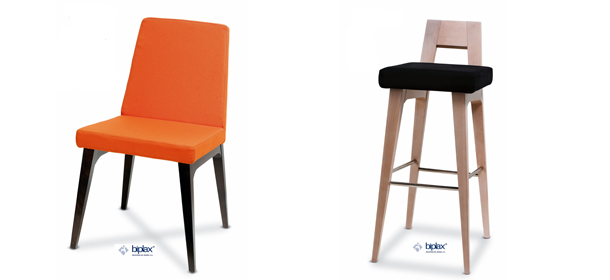
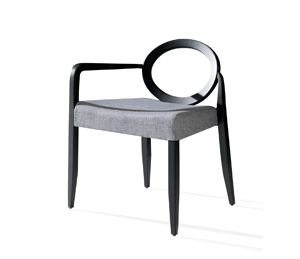
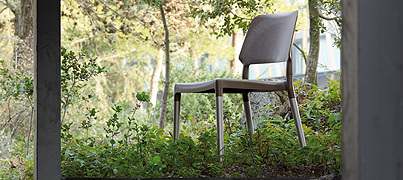
Biplax’s Diva chair is also consummately eco as it is 89 to 99 per cent recyclable.
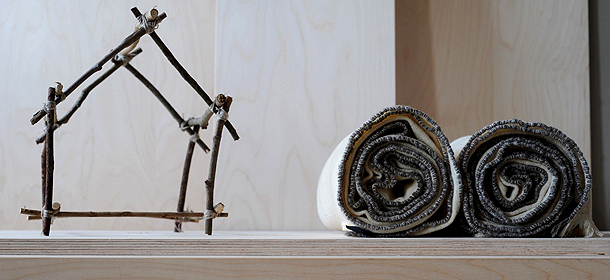
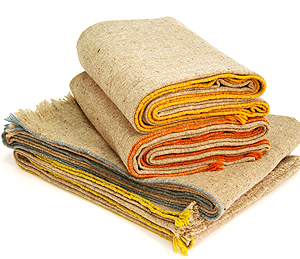
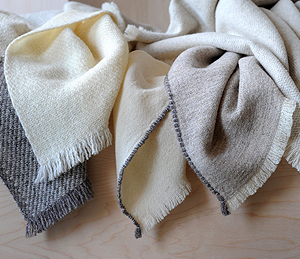
Teixidors, meanwhile, has developed its line of eco textiles made out of 100 per cent French merino wool (from the French department of Hautes-Alpes) where its farmers don’t use toxic anti-parasite treatments and wash using biodegradable soap. So these are a sustainable, benign product for the socially responsible consumer.
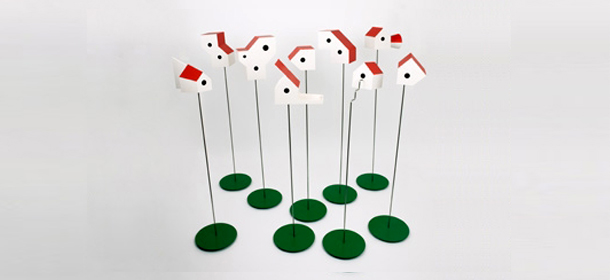
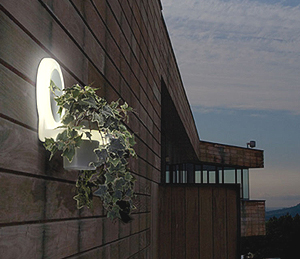
On a more outdoorsy note, the birdhouses of Barcelona-born industrial designer Roger Arquer are designed to attract birds to gardens, enabling people to get more in touch with nature – these also help to create a small nature reserve in people’s gardens or terraces. Eduardo Albors’ lamp for B.Lux allows you to place a flower pot on top of it in the darkest nights and company Leopoldo’s urban garden (a trolley containing troughs for growing plants, made of recycled materials) allows us to have our very own mini garden.
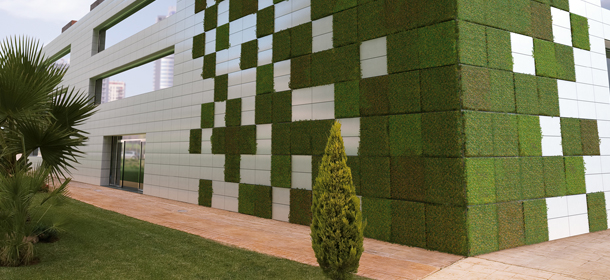
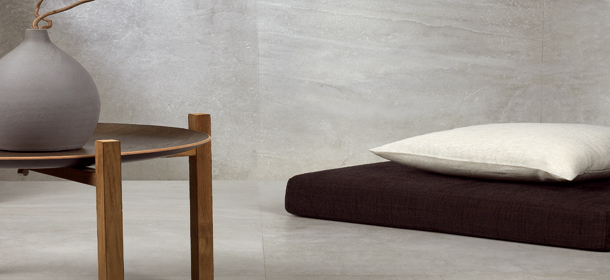
In the arena of green ceramics, we discovered another impressively sustainable idea – Ceracasa’s vertical garden called Lifewall®, which allows for the buildings’ facades to be easily replanted with vegetation. The design entails 1 m sq panels on to which can be planted any type of greenery.
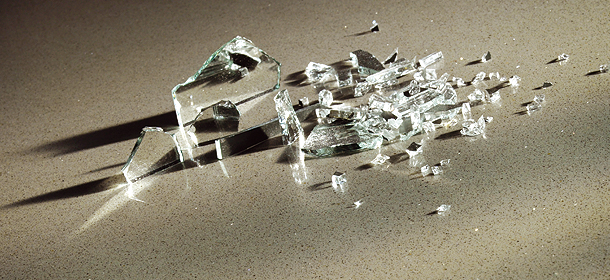
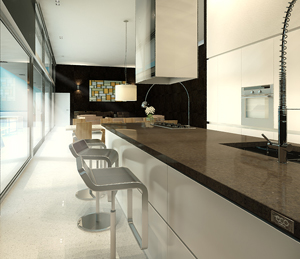
Following much intensive research, Spanish company Cosentino has developed the product Eco by Cosentino, a surface made of 75 per cent recycled materials among which can be found porcelain, glass, mirror and burnt waste products in the form of vitrified ashes. This material can be applied to worktops, pavements and large-scale surfaces.
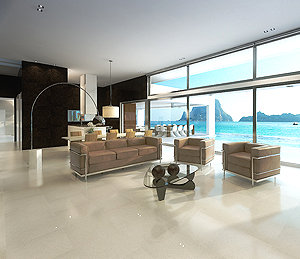
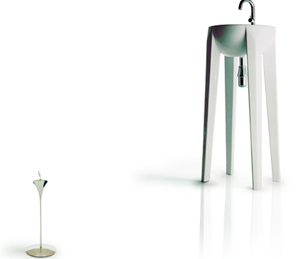
Bathrooms specialist Roca is another Spanish firm fully attuned to the importance of sustainability. Proof of this can be found in its Top Green paving stones, 80 per cent of which are recycled, and in its odourless W+W all-in-one toilet and sink which has garnered various awards for saving water (thanks to its ‘greywater’ system).
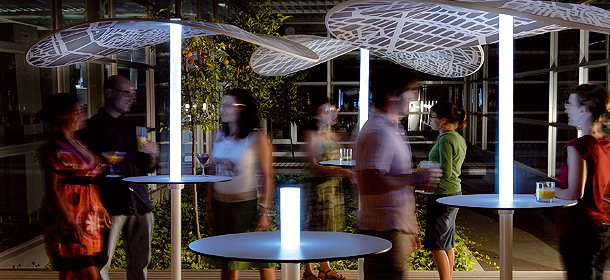
In the lighting field, courtesy of Vibia, comes the Citrus lamp, which uses low-energy lightbulbs. There’s also Punt Mobles’ PO Light which lights up at night without any need for cables, thanks to its innovative photovoltaic cells which recharge the LED light built into its central pole.
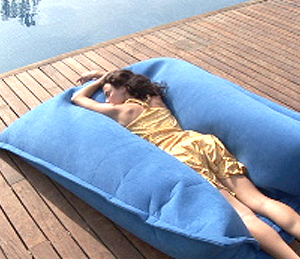
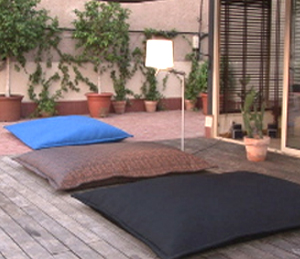
Yet another interesting idea is Barcelona-based company Waste BCN’s beanbag-like chair, made of recycled upholstery found in car interiors – a material that’s non-flammable to boot.
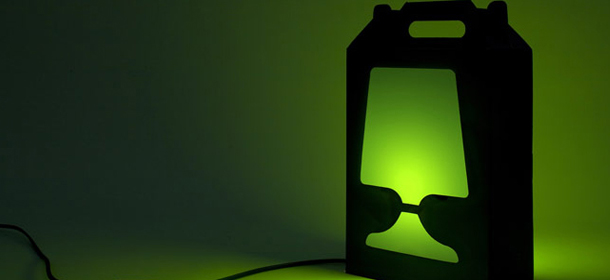
Another interesting example are Barcelona-based company Designcode’s conscientiously eco products. All its wares are made of recycled materials. These are easy to dismantle, allowing the user to separate its different materials to make it easier to recycle these and to cut down as much as possible on wasteful packaging. Its star product is without doubt the Flamp lamp which weighs only 600 grams and is made of cardboard and polypropylene.
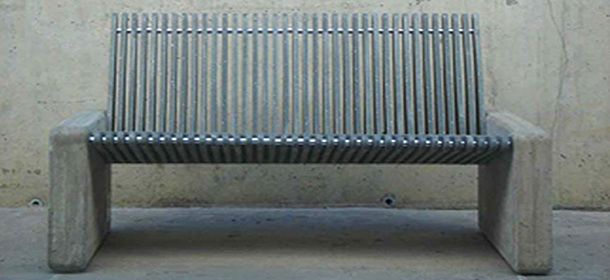
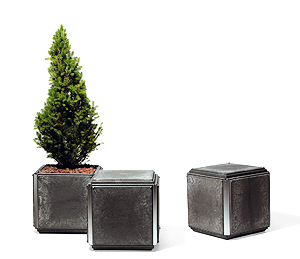
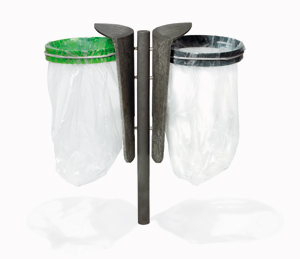
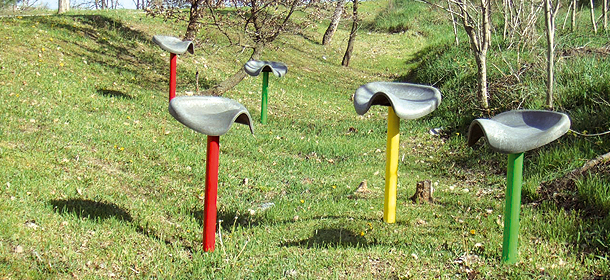
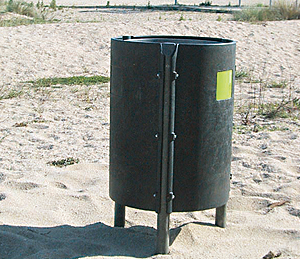
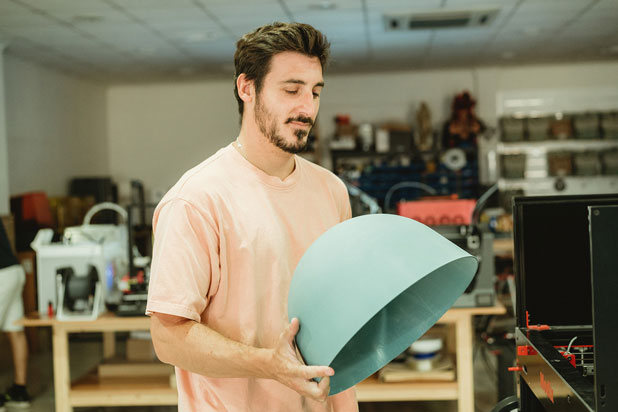
On the outdoor furniture front, Onadiscrecicla’s designs are the most notable from an eco perspective. Indeed the company was created with the aim of making useful products out of waste. All these are made using plastic waste.